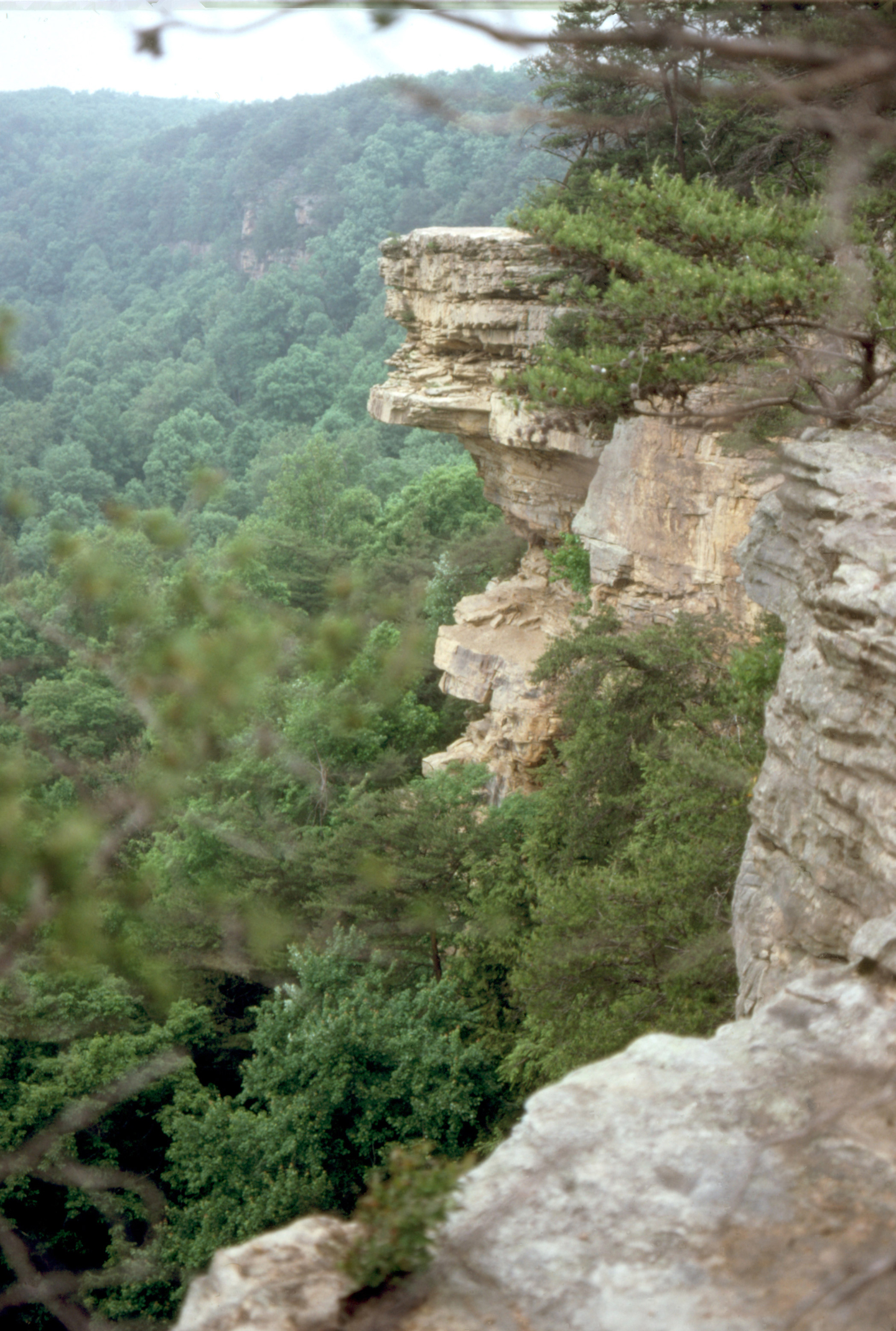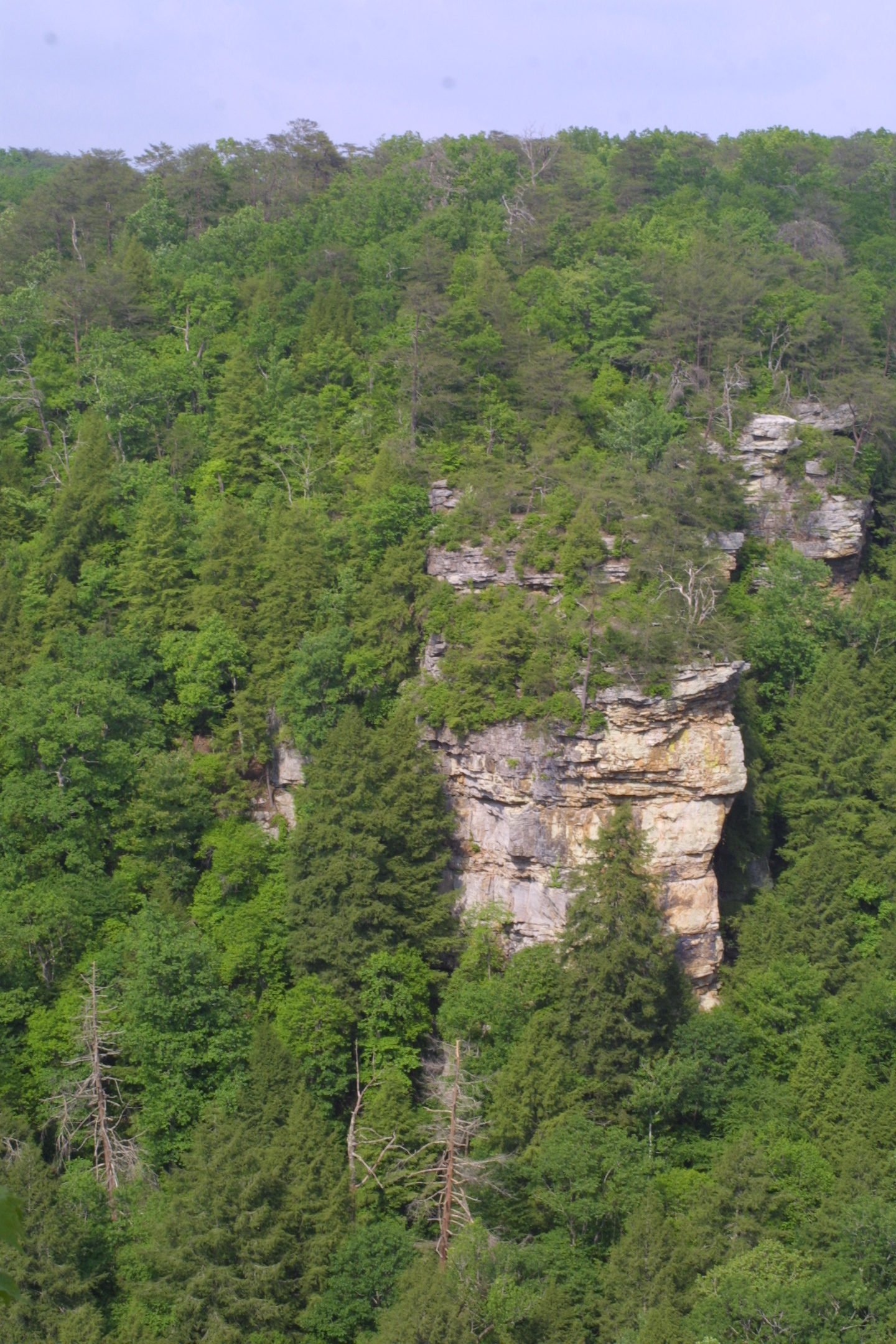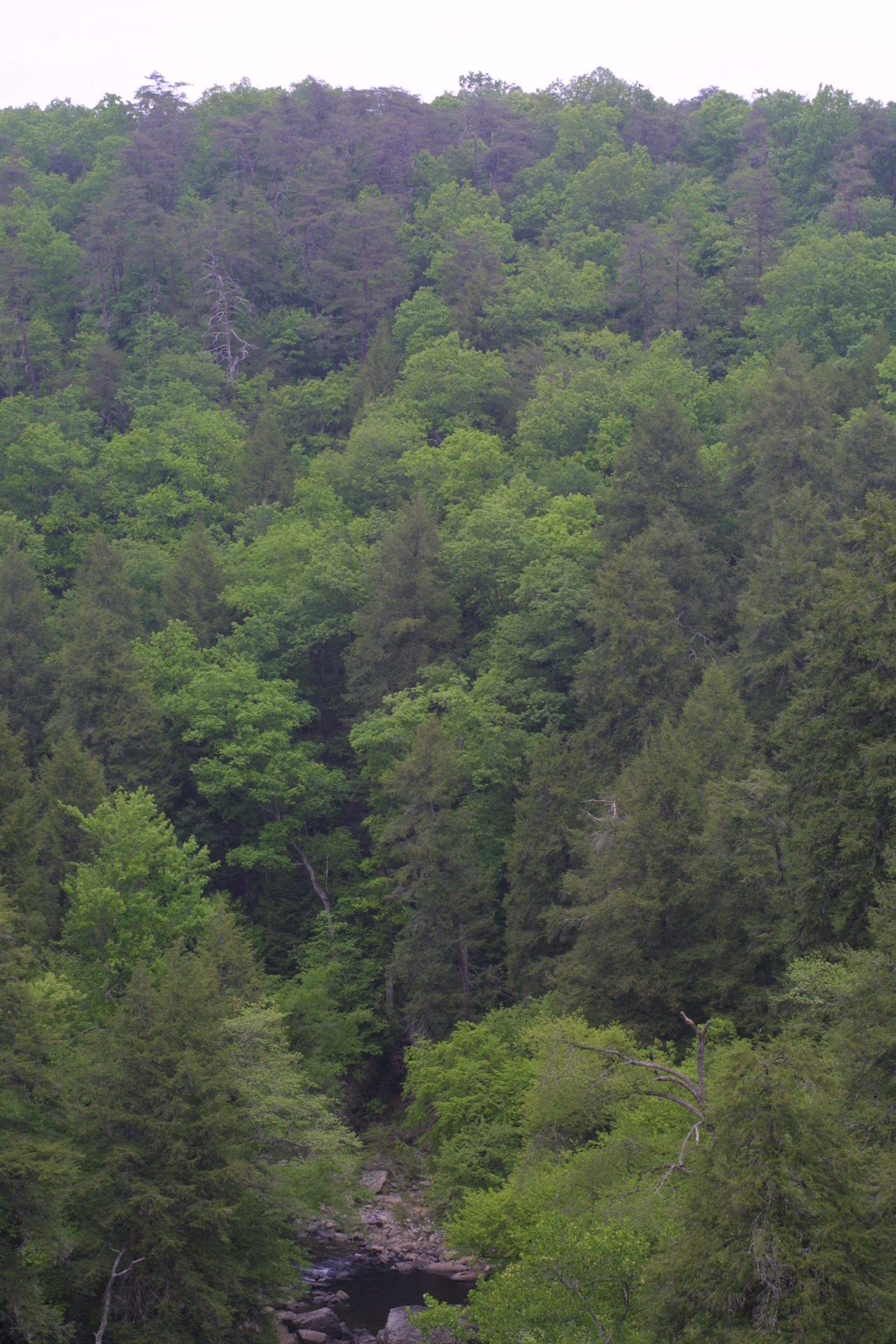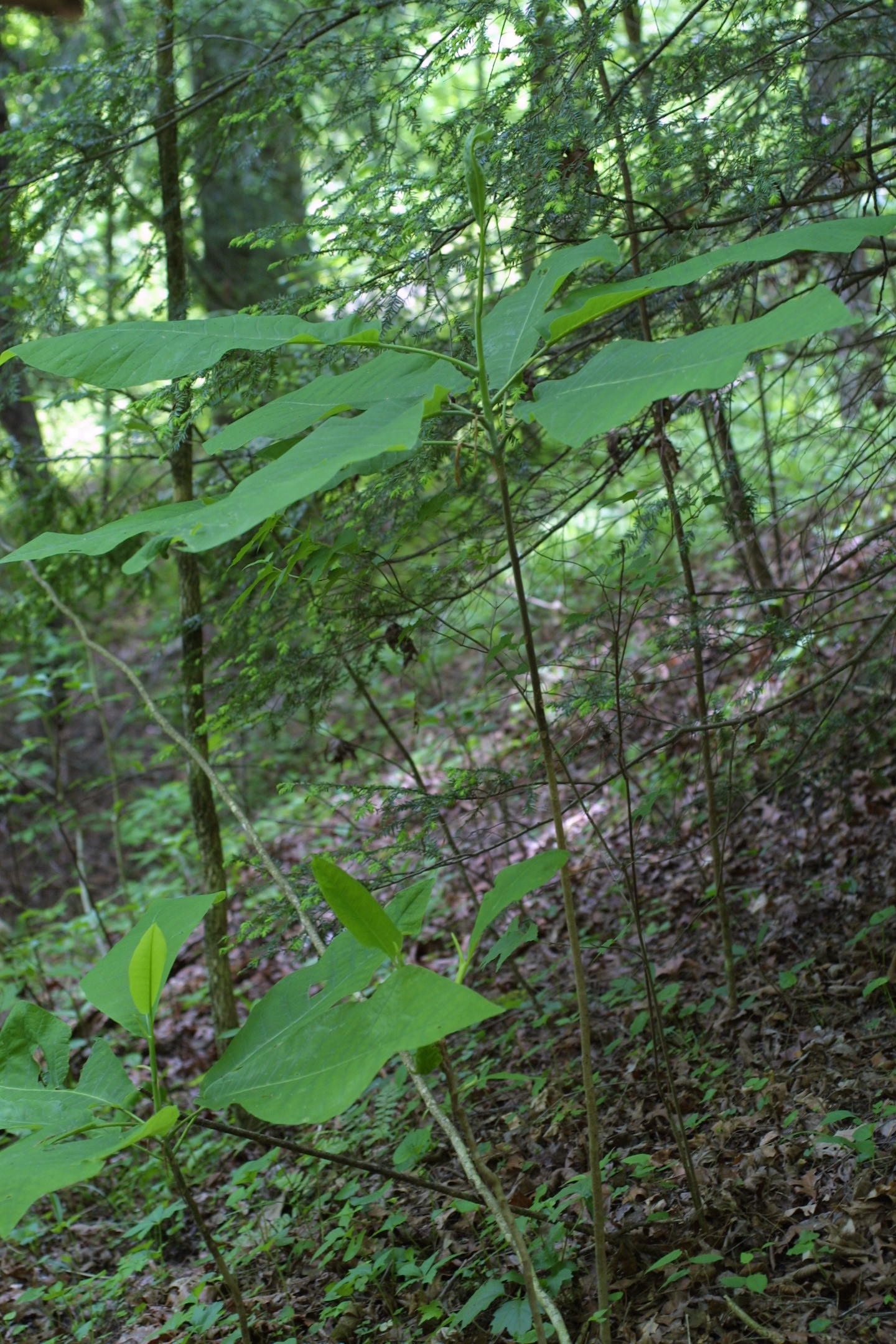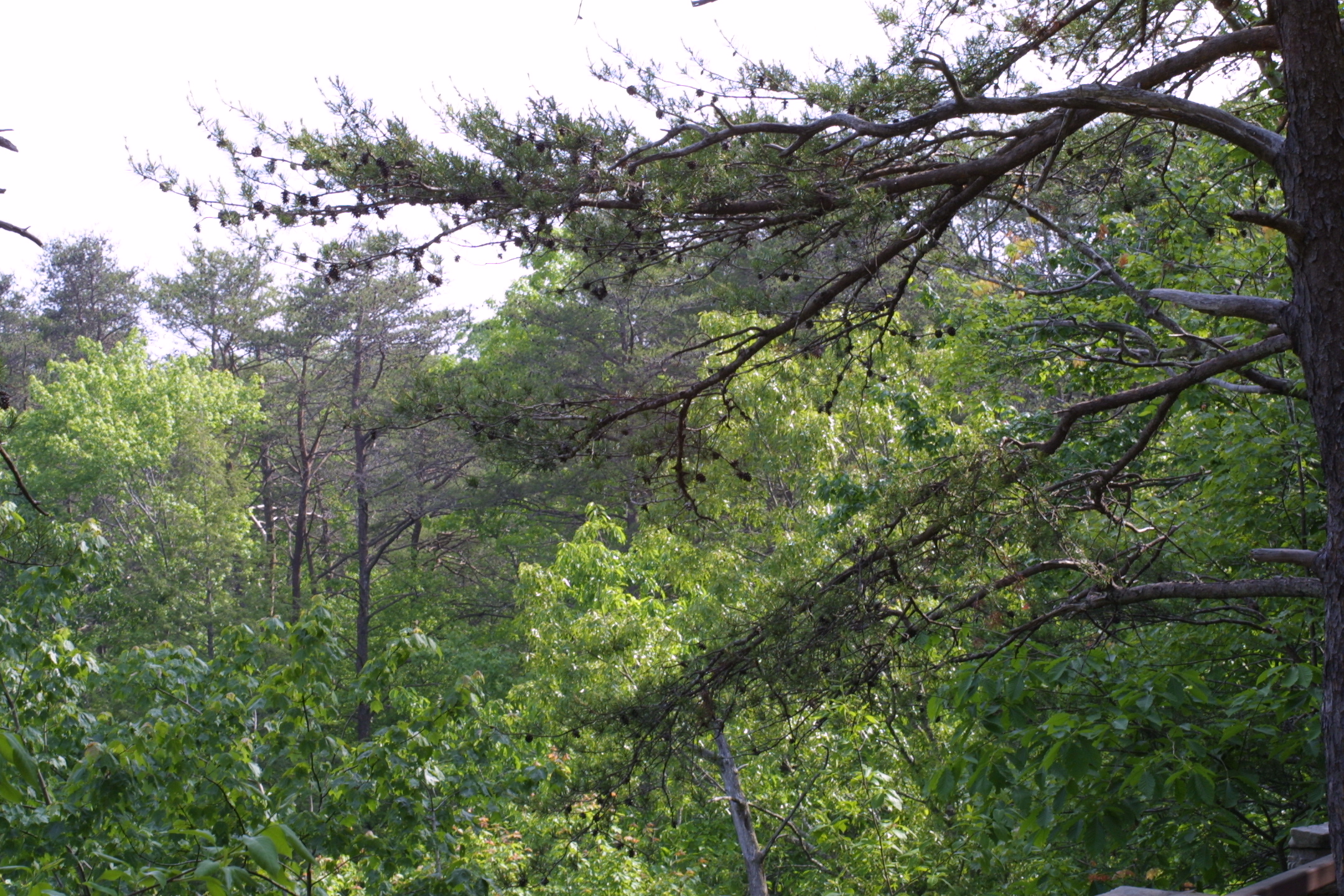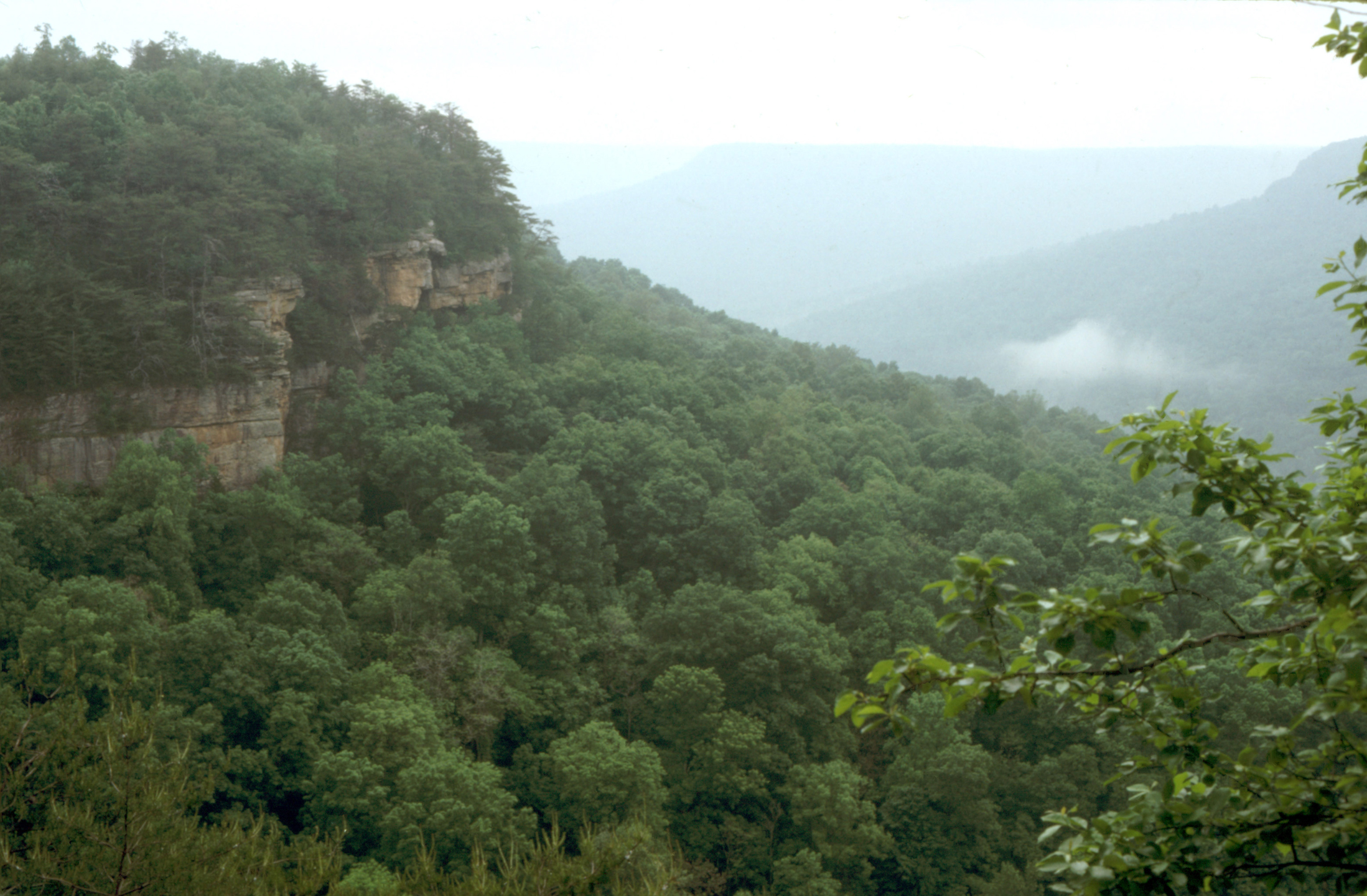
Savage Gulf State Natural Area, Tennessee (c) 2005 Carol and Steve Baskauf
Bioimages home (click on an image to enlarge)
view
this page in its intended navigation context
Appalachian mixed mesophytic forests
(WWF
ecoregion NA0402)
Savage Gulf State Natural Area, Tennessee
(c) 2005 Carol and Steve Baskauf
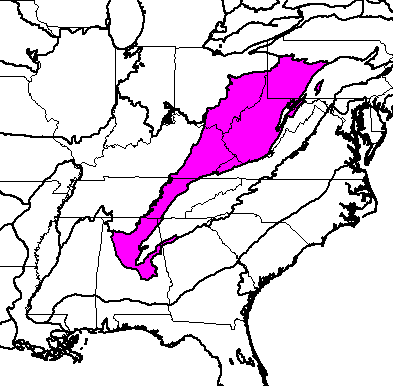
Source of bioregions data:
Olson, D. M. and
E. Dinerstein. The Global 200: Priority ecoregions for global conservation. (PDF
file) Annals of the Missouri Botanical Garden 89:125-126.
Distinctiveness (1=highest,4=lowest): 1
(globally outstanding)
This ecoregion represents one of the most biologically diverse temperate regions
in the world. As many as thirty canopy tree species may be found at a
single site. The freshwater communities are the richest temperate
freshwater ecosystems in the world.*
Conservation Status (1=most endangered, 5=most
intact): 1 (critical)
95% of the habitat has been converted or degraded. Conversion and
fragmentation through logging and development are primary threats.*
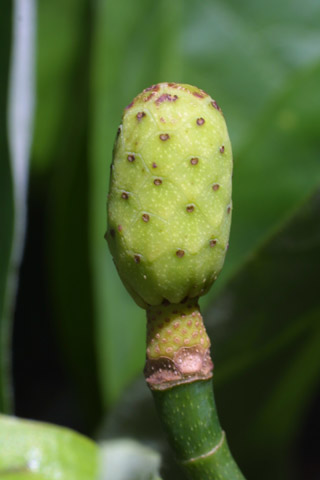 Magnolia
acuminata (cucumber-tree or cucumber magnolia)
Magnolia
acuminata (cucumber-tree or cucumber magnolia)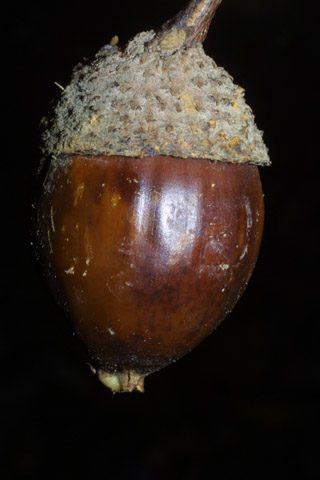
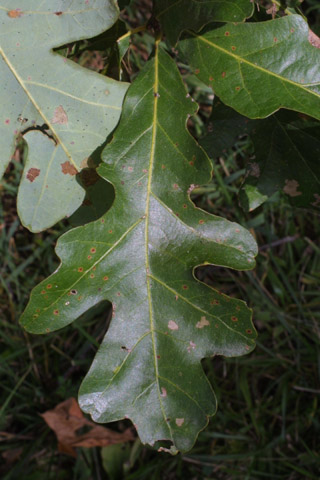 Quercus
alba
Quercus
alba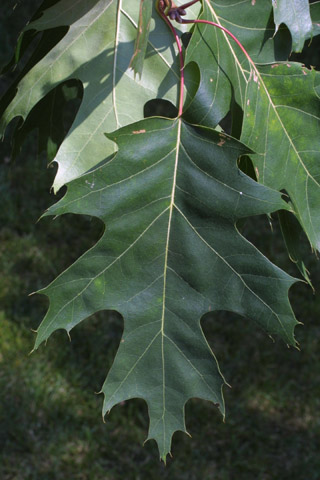 Quercus
rubra
Quercus
rubra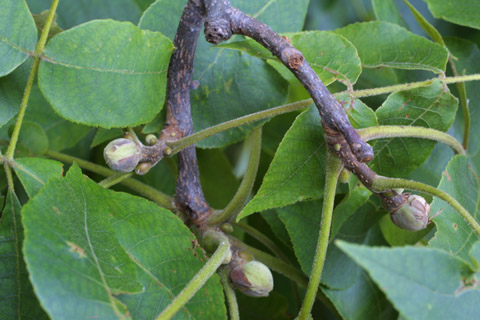 Carya alba
(mockernut hickory)
Carya alba
(mockernut hickory)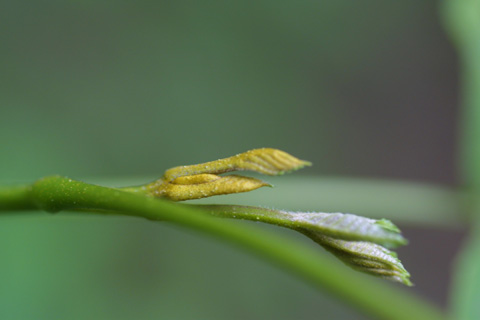 Carya cordiformis
(bitternut hickory)
Carya cordiformis
(bitternut hickory)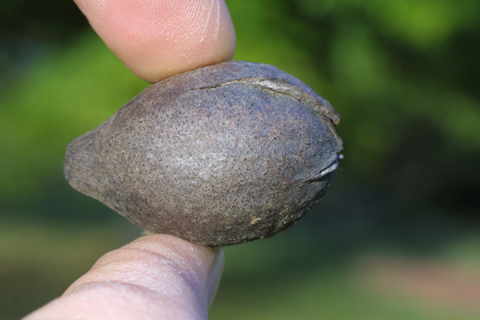 Carya glabra
(pignut hickory)
Carya glabra
(pignut hickory) Carya ovata
(shagbark hickory)
Carya ovata
(shagbark hickory)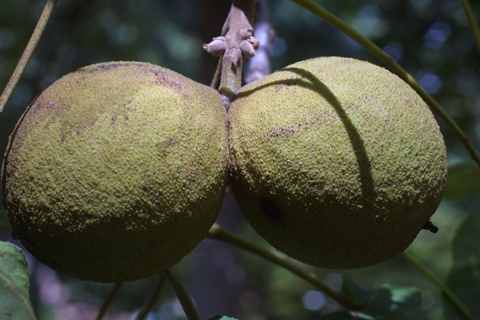 Juglans nigra
(black walnut)
Juglans nigra
(black walnut)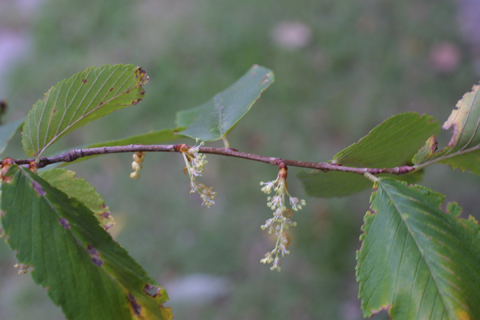 Ulmus serotina
(September elm)
Ulmus serotina
(September elm) Betula alleghaniensis
(yellow birch)
Betula alleghaniensis
(yellow birch)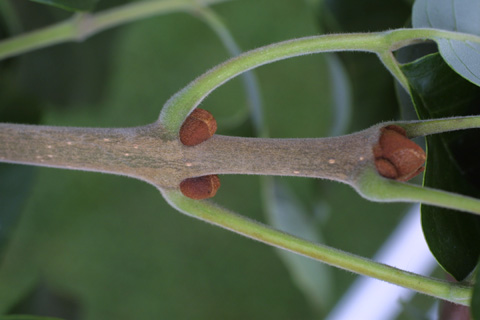 Fraxinus americana
(white ash)
Fraxinus americana
(white ash)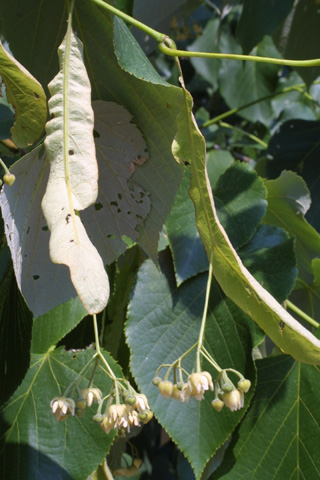 Tillia americana ssp. heterophylla
(white basswood)
Tillia americana ssp. heterophylla
(white basswood)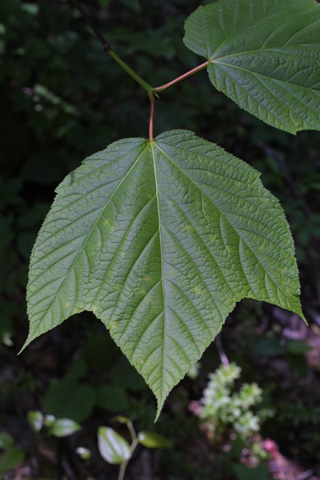 Acer pensylvanicum
(striped maple)
Acer pensylvanicum
(striped maple)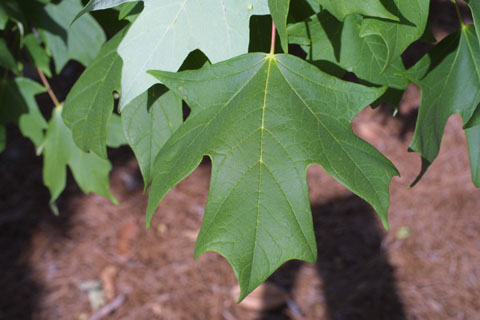 Acer saccharum
(sugar maple)
Acer saccharum
(sugar maple)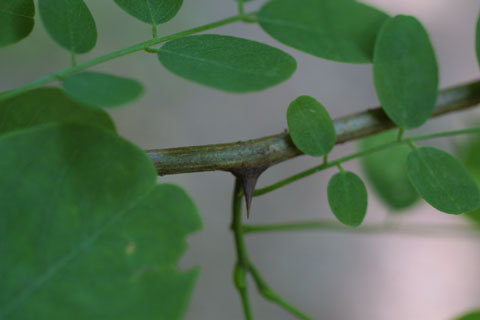 Robinia pseudoacacia
(black locust)
Robinia pseudoacacia
(black locust)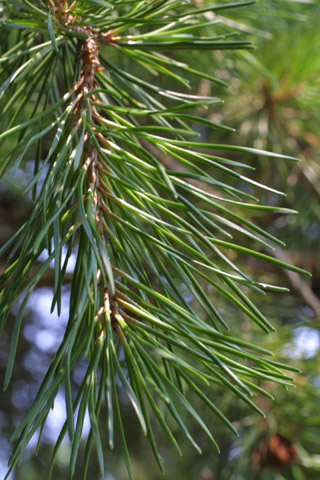 Pinus virginiana
(Virginia pine)
Pinus virginiana
(Virginia pine)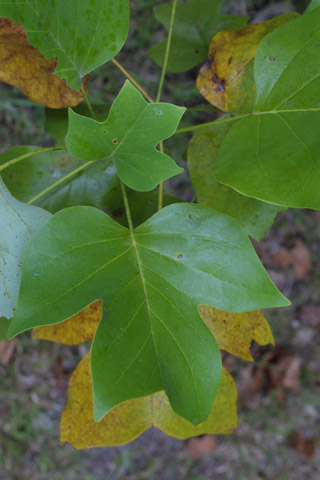 Liriodendron tulipifera
(tuliptree)
Liriodendron tulipifera
(tuliptree)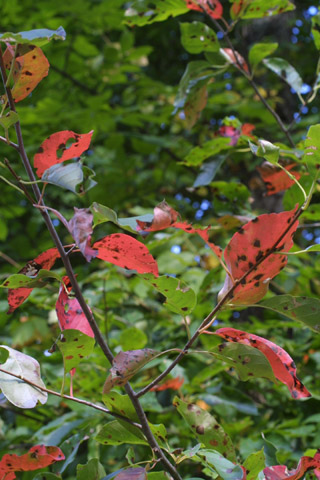 Nyssa sylvatica
(blackgum)
Nyssa sylvatica
(blackgum)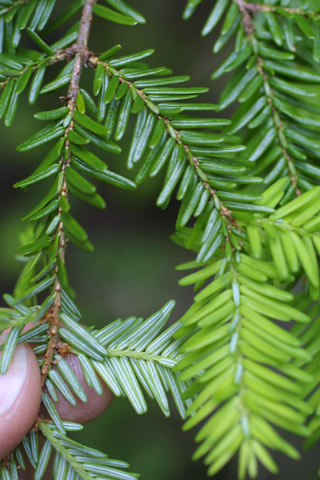 Tsuga canadensis
(eastern hemlock)
Tsuga canadensis
(eastern hemlock)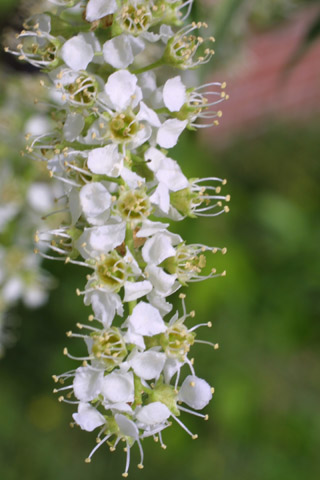 Prunus serotina
(black cherry)
Prunus serotina
(black cherry)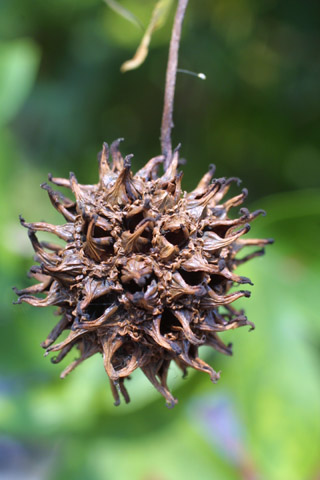 Liquidambar styraciflua
(sweetgum)
Liquidambar styraciflua
(sweetgum)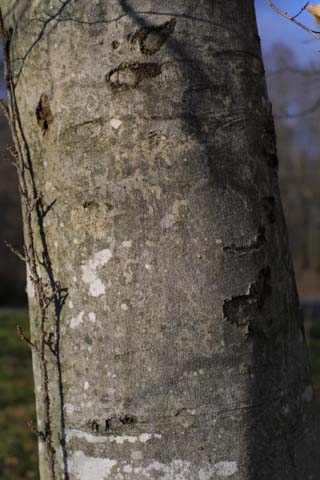 Fagus grandifolia
(American beech)
Fagus grandifolia
(American beech)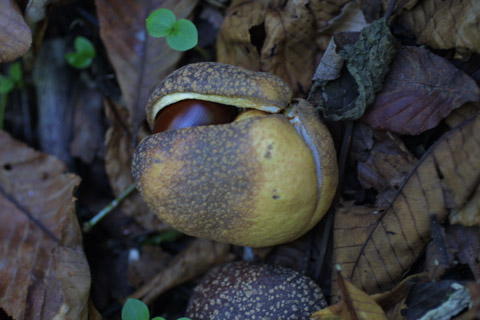 Aesculus flava
(yellow buckeye)
Aesculus flava
(yellow buckeye)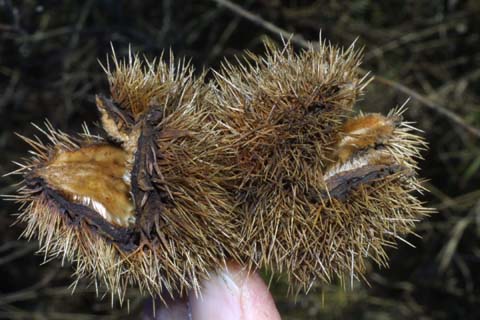 Castanea dentata
(American chestnut) formerly a dominant canopy species, but now nearly extinct
Castanea dentata
(American chestnut) formerly a dominant canopy species, but now nearly extinct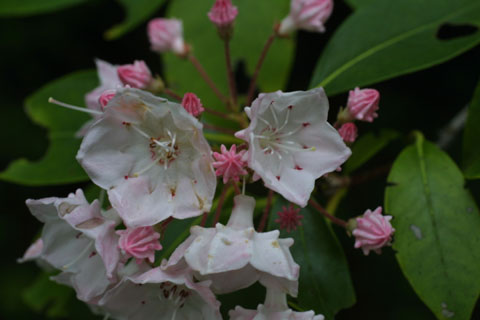 Kalmia latifolia
(mountain laurel)
Kalmia latifolia
(mountain laurel)Some views from the ecoregion
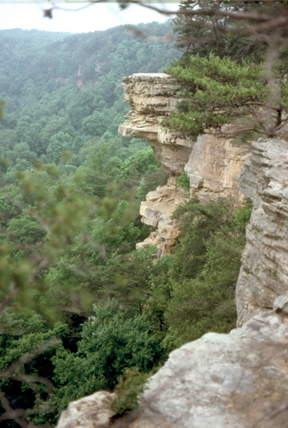
cliffs, Savage Gulf State Natural Area, Tennessee (c) 2005
Carol and Steve Baskauf
hires
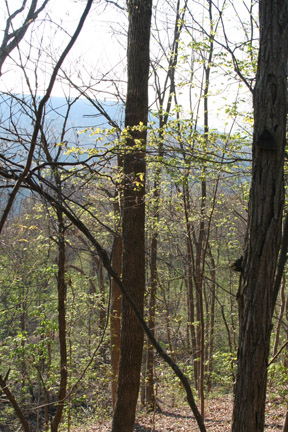

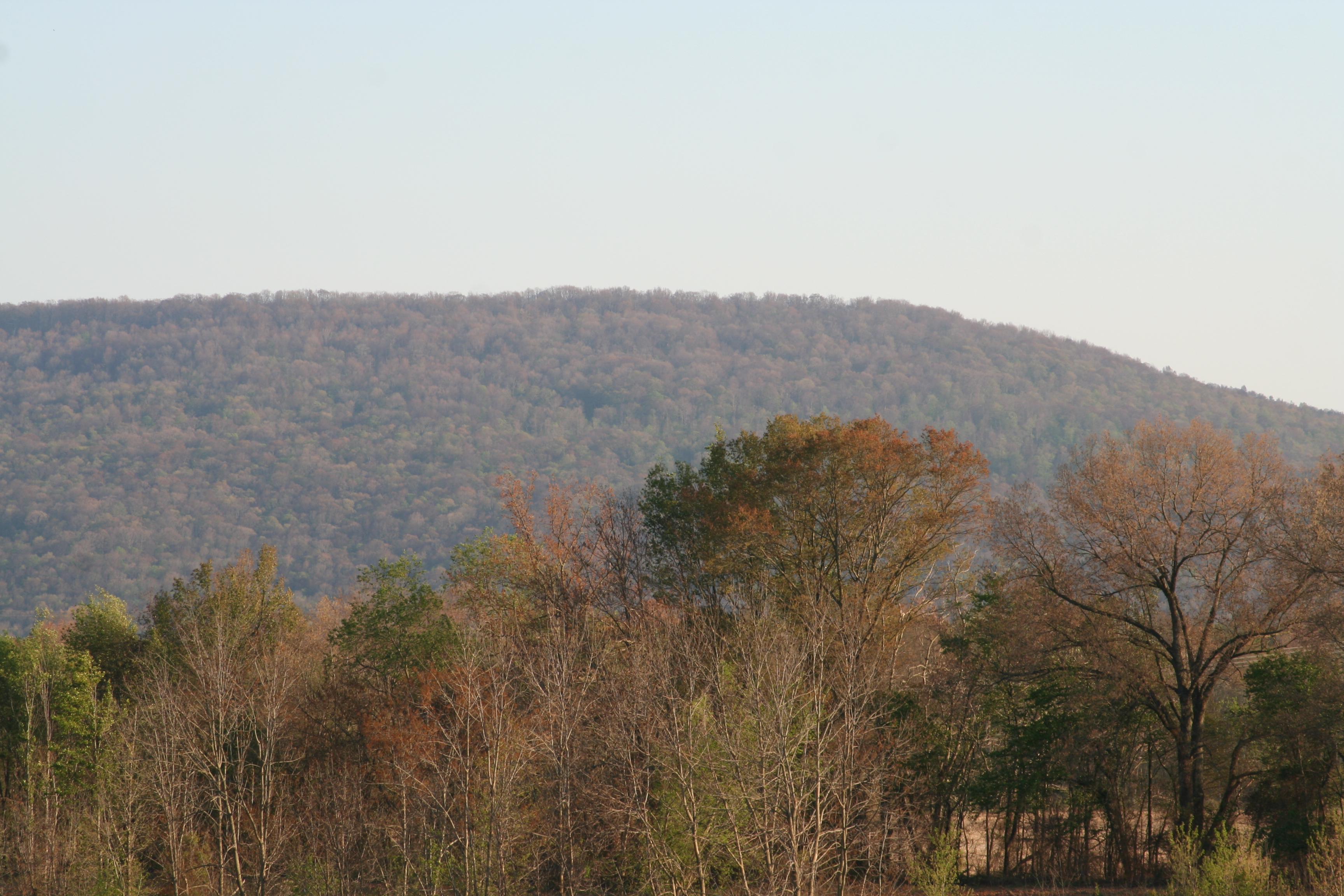
(Left) Forest, (right) edge of Cumberland Plateau near Monteagle, Tennessee.
(c) 2008 hires
hires
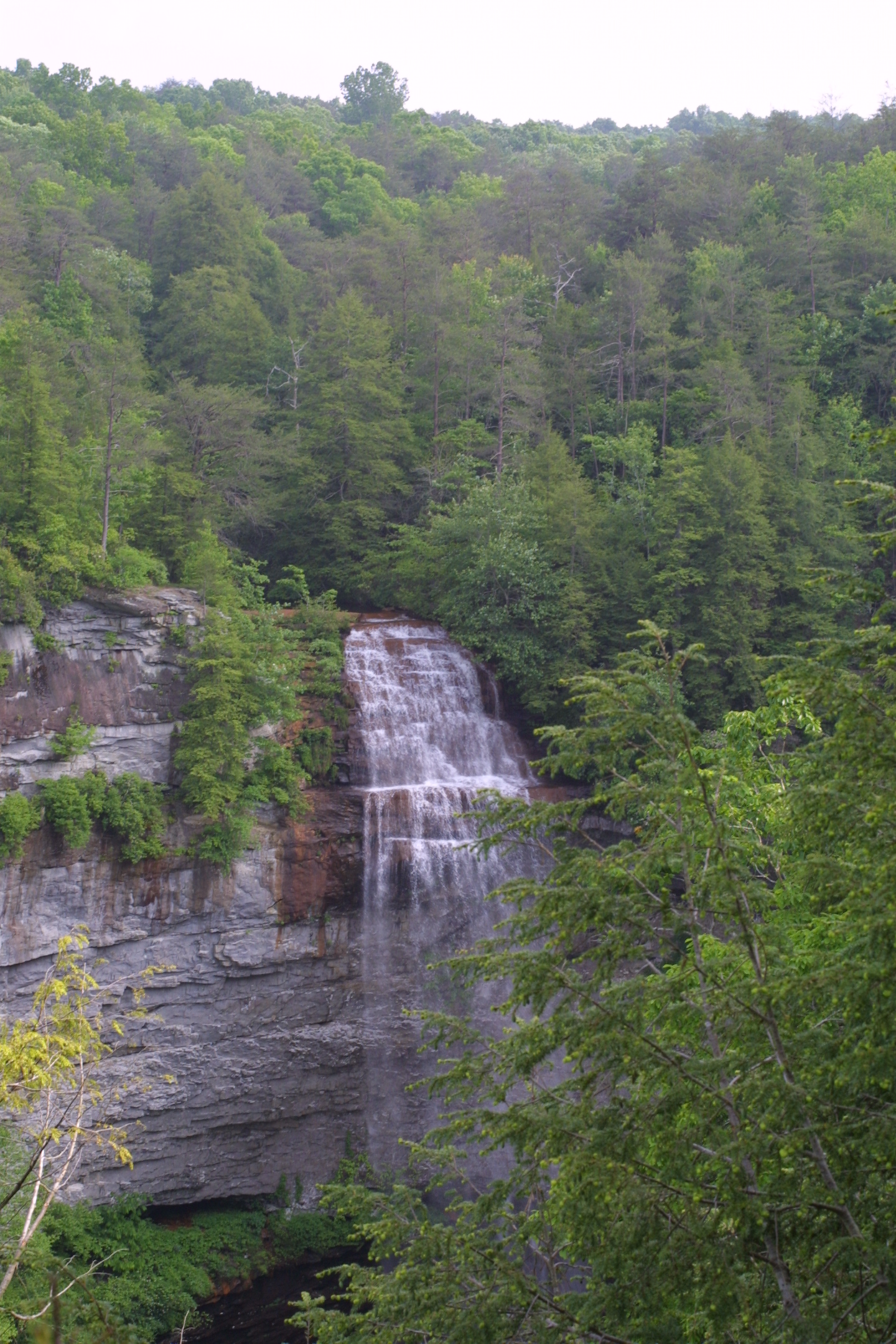
Fall Creek Falls State Park, Tennessee
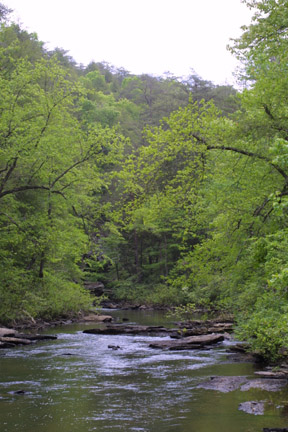
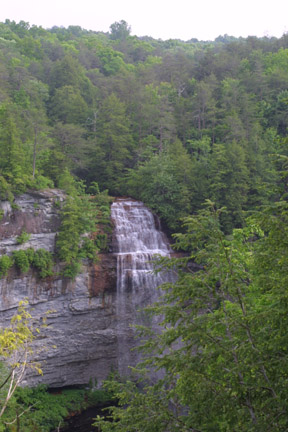
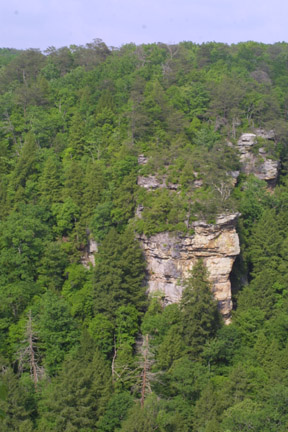
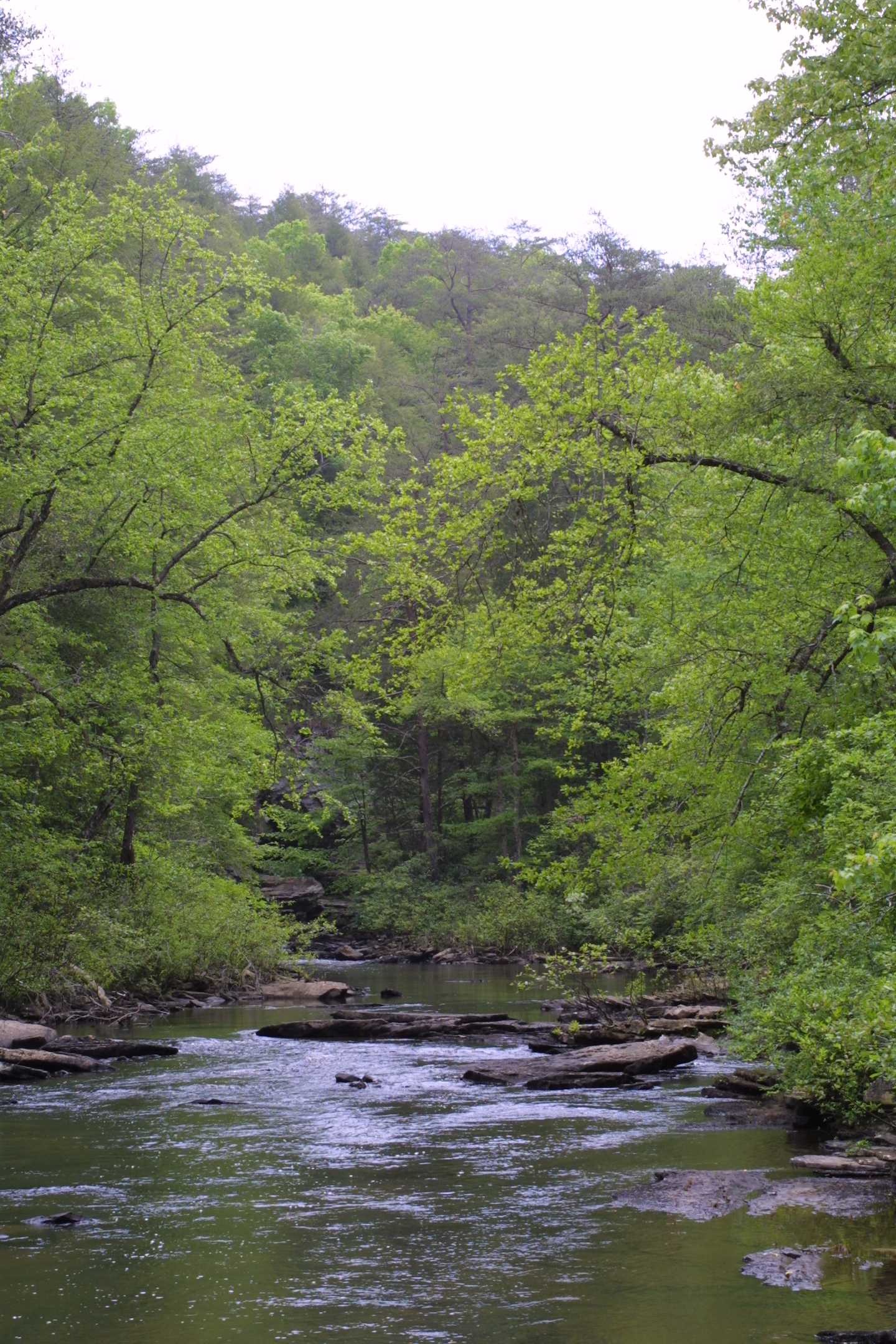
In Tennessee, the mixed mesophytic forest lies in the Cumberland Plateau.
Streams cut through the plateau (left), producing spectacular waterfalls
(center) and deep "gulfs" or ravines (right).
hires
hires
hires
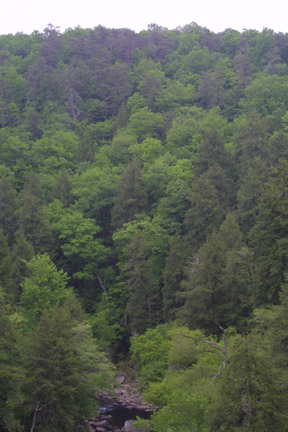
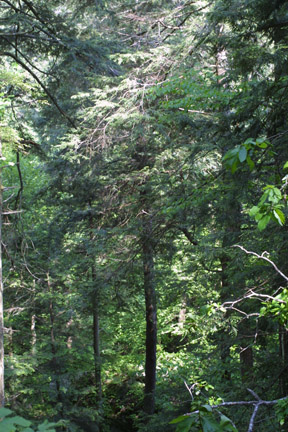
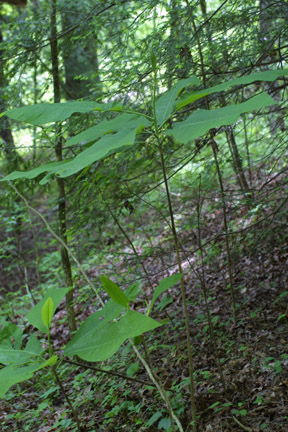
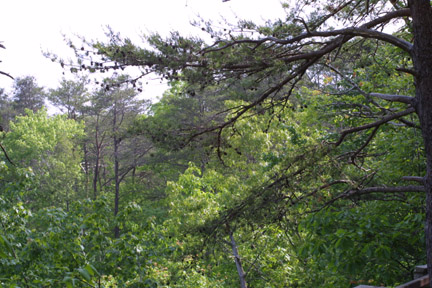
The varying aspects of the slopes and microclimatic effects of the ravines (far
left) supports a large variety of trees (up to 30 species at a given site).
Elements of adjacent ecoregions such as the higher elevation Blue Ridge forests
(such as hemlock [center left] and magnolia [center right]) and lower elevation
ecoregions combine to form one of the world's most diverse temperate forests.
Although primarily deciduous, hemlocks and pines (far right) are also present.
hires
hires
hires
hires
* Ricketts, T.H., E. Dinerstein, D.M. Olson, C.J. Loucks, et al. (1999) Terrestrial Ecoregions of North America: A Conservation Assessment. World Wildlife Fund - United States and Canada. Island Press, Washington, D.C. pp. 337-340.
Except as noted, images copyright 2002-2005 Steve Baskauf - Terms of use